In short
- Bachata was born in the Dominican Republic in the 20th century as folk music and dance.
- The basic is eight counts: three steps and a tap, twice in a row.
- The main styles are Dominican bachata, sensual and moderna or fusion.
- You recognise the music by the requinto guitar, the bongos and the metal güira.
- It is a partner dance, but you do not need a partner to join a class.
Bachata is a music genre and a partner dance from the Dominican Republic. It is one of the most widespread social dances in the world and also one of the most approachable: you try the basic step in your very first class. UNESCO has inscribed Dominican bachata on its list of the Intangible Cultural Heritage of Humanity.
Where bachata comes from
Bachata was born in the Dominican Republic in the 20th century, in the countryside and in the poorer neighbourhoods of the cities. For a long time it was seen as music of the "lower classes" and most radio stations would not play it. The word bachata originally meant an informal get-together, a party with music. Musically it grew out of bolero, a slow romantic song, with guitar melodies and rhythms from country parties added on top. Only in the 1980s and 90s did it reach the mainstream, and with artists like Juan Luis Guerra and later Aventura and Romeo Santos it spread around the world.
How bachata is danced
The basics of bachata are simple. The side basic step is counted in eight counts: three steps and on the fourth count a tap, a light touch of the foot without shifting your weight, often with a hip movement. Then the same to the other side. On top of this come turns, body movement and figures. We break the step down in detail in our article on bachata basic steps.
Most of the music is in four-four time, so one side basic takes two bars. Footwork matters: small steps under the body, weight moving through the whole foot and relaxed knees. The hip movement is not there for show, it comes from the weight transfer.
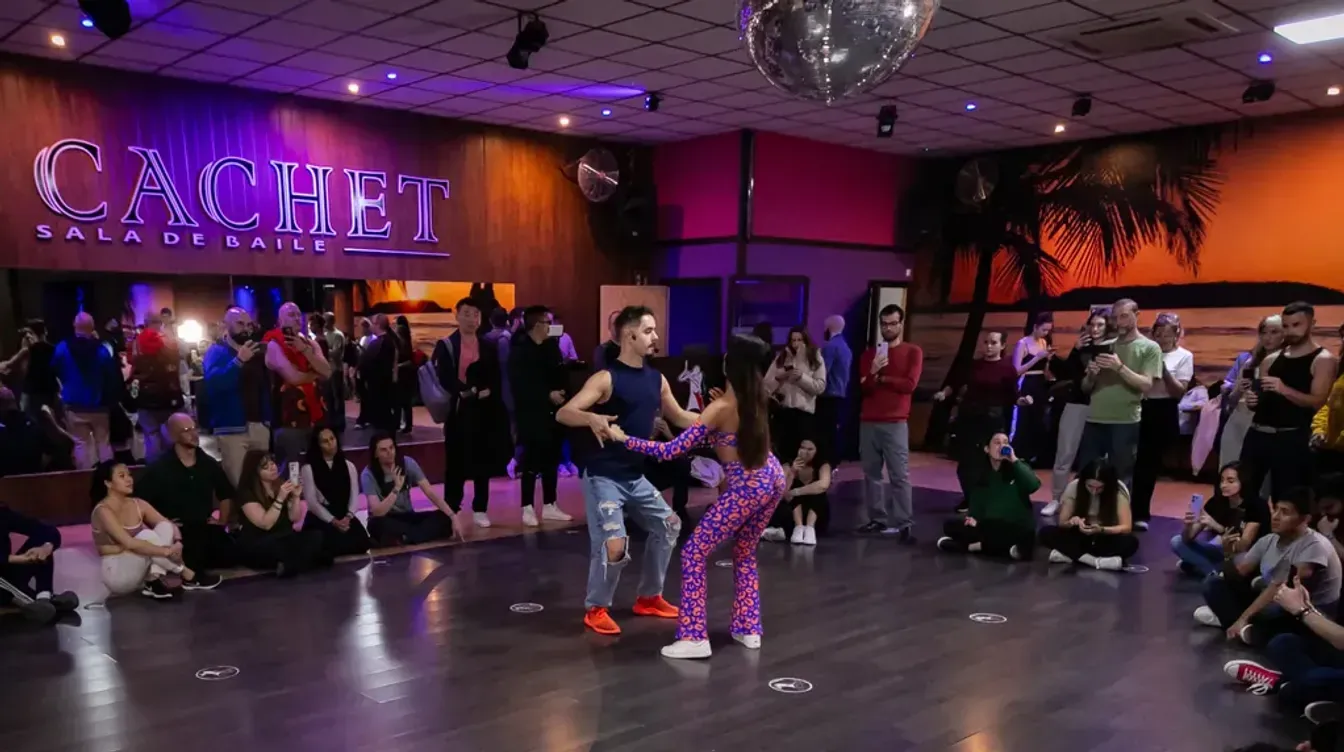
Bachata is a partner dance. One partner leads, the other follows (more in our article on leading and following in bachata). The roles are not split by gender, either role can be danced by anyone. In class partners rotate, so you can sign up on your own.
Bachata styles
- Dominican bachata: the original style from the Dominican Republic, fast footwork, syncopations and playfulness.
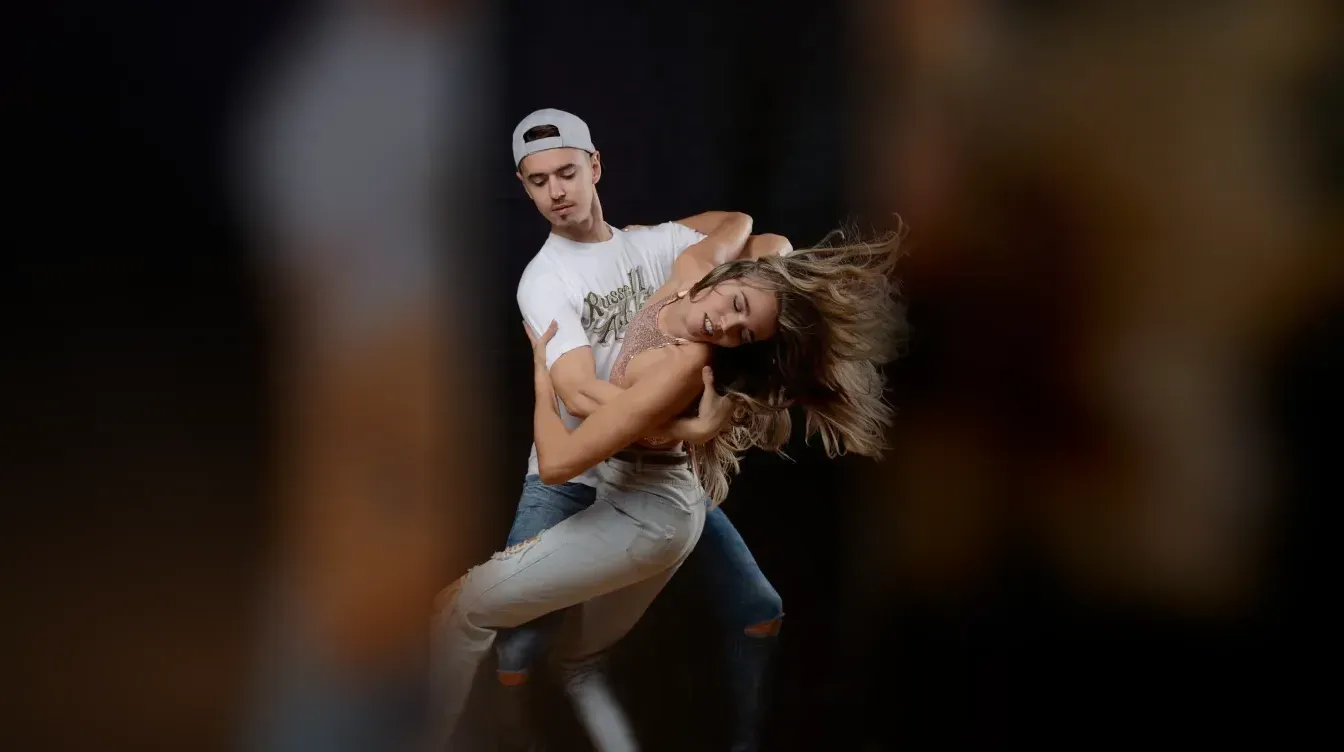
- Bachata sensual: created in Spain in the early 21st century, it adds body waves, head movement and a closer connection.
- Bachata moderna and fusion: turns and combinations borrowed from salsa and other dances.
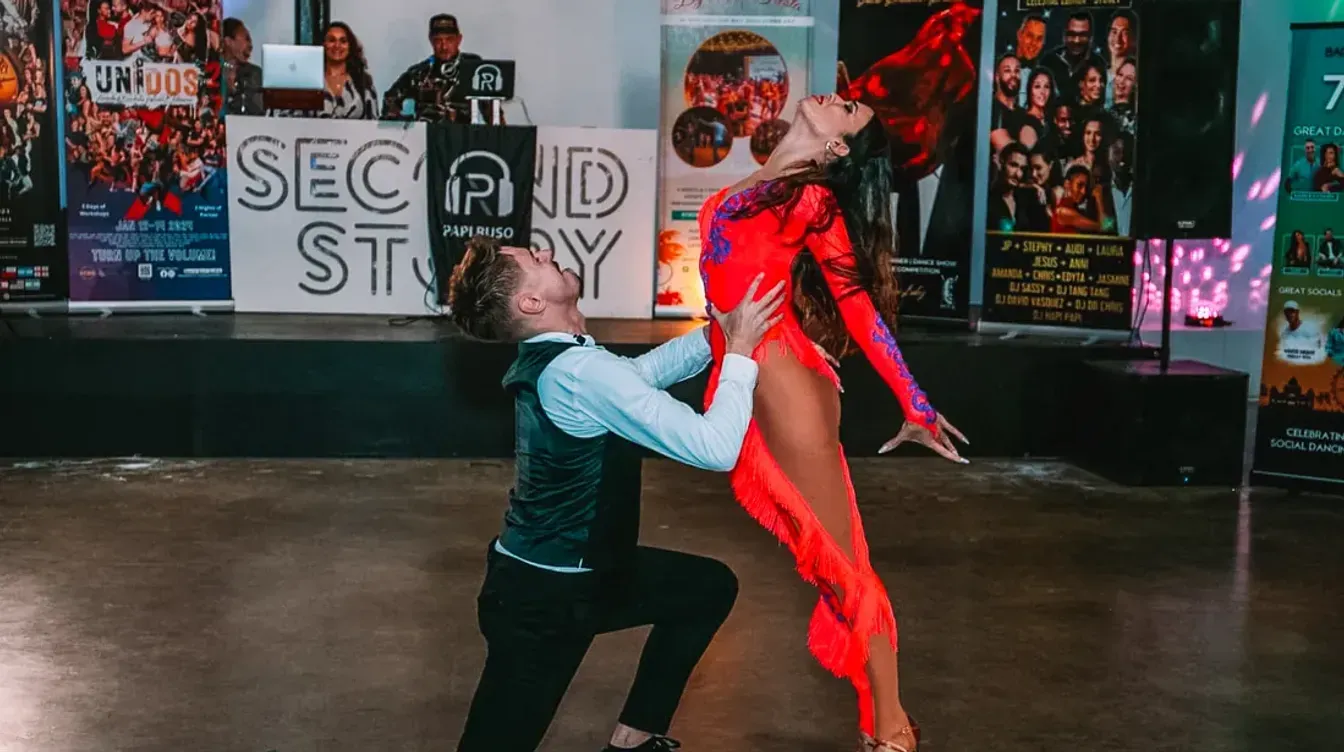
Besides these you will sometimes come across bachatango, a mix of bachata with elements of Argentine tango, which today you are more likely to see in a show than on a regular social floor. Each of these bachata styles has a different energy, but they share the same basic step and the same principle of leading and following.
We explain the differences in detail in our article on sensual vs Dominican bachata.
Bachata music
You can recognise bachata by its sound. The melody is played by a lead guitar called the requinto, the rhythm comes from a second guitar, bass, bongos and the güira, a metal scraper. The lyrics are usually about love, longing and heartbreak. Today you will hear traditional bachata, modern bachata and bachata remixes of pop songs, which are mostly danced in the sensual style.
Bachata is danced both to original Dominican recordings and to modern productions. At socials the two usually alternate, so it is worth knowing the difference: to faster traditional music you dance more with your feet, to slower remixes more with your body.
Once you learn to listen to the bongos and the guitar, you start to hear when the music slows down, when a break is coming and when it is time to play. That is why we teach musicality from the very first level. How to listen to the music and dance to it is covered in our article on bachata musicality, and what to start with is in our list of bachata songs for beginners.
Is bachata hard?
Getting started is easy. You learn the basic step in an hour, and after a few weeks you can dance a whole song at a bachata social. Dancing well takes longer, as with any dance: confidence in leading, body movement and musicality come over months. That is why our classes continue semester after semester, the autumn semester starts in September and the spring one in February, and groups move on smoothly to the next levels. How long each stage takes is covered in our article on how long it takes to learn bachata.
Bachata, salsa or kizomba?
Bachata is usually slower and easier to start than salsa, but it is just as much fun as a couple. Kizomba is even slower and is danced in a close embrace. You will find a comparison in our articles bachata or salsa and bachata or kizomba.
Bachata and other Latin dances
Bachata belongs to the family of Latin dances that are danced at socials and festivals all over the world. Merengue also comes from the Dominican Republic, a fast and simple dance on two counts that is often played at the same parties as bachata. Salsa has its roots in Cuba and Puerto Rico, kizomba in Angola. Once you know one partner dance, the next one comes faster: leading and following, the hold and finding your way in the music work in a similar way.
Which style is right for you?
If you are just starting, do not worry about style yet. The basic step, the rhythm and leading as a couple are shared by all styles, and a good beginner class prepares you for any of them. Only after a few months will you know what you enjoy more: the playful footwork of Dominican bachata, or the smooth waves and close connection of the sensual style. Our classes build on a shared foundation, and in the higher levels we put more focus on body movement and musicality.
Do I need dance experience?
No. The class for complete beginners welcomes people who have never danced as well as those who have done other dance styles. Wanting to come regularly matters more than experience. If you already know a partner dance, leading and following usually comes faster, but you still start from the basic step.
Where to start bachata in Prague
The easiest way in is a class for complete beginners. At Jorge y Mónica Academy in Smíchov you can sign up for Bachata 0 straight away, with no experience and no partner. You will find all levels on the bachata classes in Prague page, and if you also want to practise at home, there is our online bachata course.
Questions people ask
What is bachata?
Where does bachata come from?
What are the styles of bachata?
What music is bachata danced to?
What is the difference between salsa and bachata?
Do I need dance experience for bachata?
How do you dance bachata?
Where can I learn bachata in Prague?
Is bachata hard to learn?
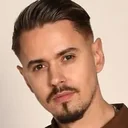
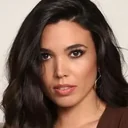
Written by
Jorge and Mónica are professional dancers who have taught bachata for more than fifteen years. As international artists they have taught from Tokyo and Singapore to Melbourne and Spain; in Prague they run Jorge y Mónica Academy and Bachata Czech Republic Festival.